Solutions Matched to Specific Property Conditions
Custom Shade Design & Consultation in Southern Idaho and the Snake River Plain for properties requiring tailored recommendations based on layout and sun exposure
Generic shade solutions rarely address the specific combination of sun angles, wind patterns, architectural constraints, and functional priorities that make each property unique—a south-facing patio with afternoon wind exposure requires different products than a north-facing deck surrounded by mature trees, and restaurant outdoor seating needs differ entirely from residential courtyard privacy. BRD Wind and Shade Systems conducts on-site consultations evaluating outdoor layout, sun exposure throughout the day, intended uses for each area, existing architectural style, and budget parameters before recommending specific products. This assessment process identifies which spaces benefit most from retractable screen doors, motorized shades, awnings, sun sails, or privacy screens, and determines optimal placement preventing wasted coverage in areas that stay naturally shaded or rarely get used.
Consultations include time-of-day sun tracking to map where shade is needed during actual usage hours—morning breakfast areas need different coverage than evening entertaining spaces, and seasonal sun angle changes mean some exposures require adjustable systems while others work fine with fixed structures. Material options get explained in terms of functional trade-offs: tighter screen weaves provide better privacy but reduce airflow, darker fabric colors absorb more heat but offer superior glare reduction, and motorized automation adds convenience but increases upfront investment and introduces mechanical components requiring eventual maintenance.
Request a design consultation to receive tailored recommendations addressing your property's specific exposure challenges and functional priorities.
What Changes After Professional Design Coordination
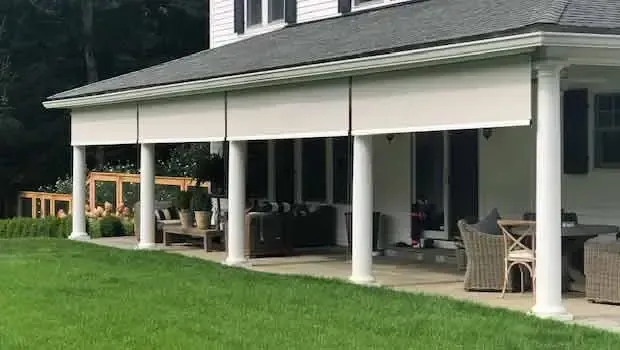
Properly planned shade systems solve actual comfort problems rather than just adding generic coverage—you stop avoiding certain outdoor areas during specific times of day, furniture arrangements become permanent instead of constantly shifting to chase shade, and seasonal weather changes no longer force complete abandonment of outdoor spaces. Custom sizing ensures screens fit openings precisely without gaps allowing insects or light intrusion, and product combinations work together functionally rather than conflicting when multiple systems occupy adjacent areas. Color and material selections maintain visual consistency with existing architecture, making installations look intentional rather than like aftermarket additions.
Design consultations also establish realistic timelines and budget expectations before installation begins, preventing surprises during project execution. You understand exactly what each system will and won't accomplish—retractable screens provide sun control and insect protection but don't completely block wind, offer permanent overhead shade but limit adjustability, and motorized automation adds convenience but requires electrical work and ongoing maintenance considerations. This clarity helps prioritize which products deliver the most value for your specific usage patterns and site conditions.
BRD Wind and Shade Systems serves both residential clients seeking enhanced outdoor living comfort and commercial properties where customer experience directly impacts business performance. Consultation recommendations account for Idaho's climate patterns including intense summer sun, frequent wind, and wide temperature swings that affect material selection and system durability requirements.
Questions Before Starting Design Consultations
Property owners considering custom shade systems want to understand what the consultation process involves, what decisions need to be made, and how recommendations get developed.
What information should I prepare before a design consultation?
Knowing which outdoor areas you want to use more frequently, what times of day they're currently uncomfortable, and what specific problems you're trying to solve—excessive heat, wind, insects, or privacy concerns—helps focus recommendations on products that address your actual priorities rather than generic coverage.
How do sun exposure patterns in Malta affect product selection?
Southern Idaho's high altitude and clear skies create intense UV exposure even when air temperatures feel comfortable, requiring higher-grade fabrics and tighter screen weaves than might be needed in cloudier or lower-elevation regions where diffuse light reduces glare and heat gain.
What's the difference between retractable and fixed shade systems?
Retractable options like motorized screens and awnings allow seasonal adjustment and protection from wind damage during storms, while fixed structures like sun sails provide permanent coverage with less maintenance but no flexibility to capture full sun during cooler months.
How long does the design and installation process take from initial consultation to completion?
Straightforward single-product installations often complete within two to three weeks including design approval and fabrication, while complex integrated systems combining multiple products may extend to four to six weeks depending on customization requirements and project scheduling.
Can designs accommodate future expansion if budget limits initial installation scope?
Modular planning allows phased installations where initial products install with mounting points and infrastructure positioned for future additions, preventing the need to relocate or modify existing systems when budget allows expansion.
BRD Wind and Shade Systems provides no-obligation design consultations for properties throughout Malta, Twin Falls, Idaho Falls, and surrounding areas. Call (208) 219-3662 to schedule an evaluation and start developing a customized outdoor living solution tailored to your property's specific conditions and functional goals.