Integrated Systems That Transform Property Functionality
Outdoor Living Solutions in Southern Idaho and the Snake River Plain for properties combining shade, screening, and coverage into cohesive designs
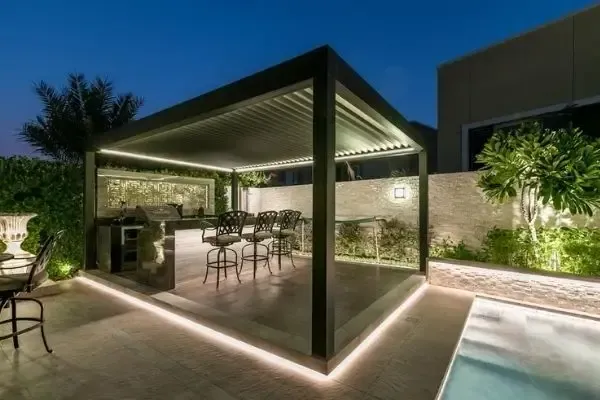
Outdoor spaces function best when multiple shade and screening products work together rather than being installed as disconnected components—a patio cover provides overhead protection while retractable screens on three sides control afternoon sun angles, wind direction, and insect access simultaneously. These coordinated installations address Idaho's variable conditions where morning shade needs differ completely from late afternoon requirements, and seasonal temperature swings make year-round usability impossible without adjustable coverage options. Properties designed this way stay comfortable during midday heat, remain accessible during windy periods, and extend outdoor entertaining seasons from April through October instead of just peak summer months.
BRD Wind and Shade Systems plans outdoor living projects by evaluating sun exposure throughout the day, prevailing wind patterns, intended uses for each area, and architectural style requiring visual coordination. A complete system might combine a fixed patio cover over a dining table, motorized screens along west and south exposures for adjustable sun control, retractable awnings protecting lounge furniture, and sun sails spanning open lawn areas where permanent structures would obstruct views. Each component gets selected based on its specific function within the overall environment rather than applying one solution across the entire property.
Begin planning by scheduling an on-site consultation to review your property layout and discuss priorities for comfort, aesthetics, and seasonal flexibility.
What You Notice Once Integrated Systems Are Finished
Completed outdoor living installations create distinct microclimates across your property—fully shaded dining areas stay fifteen degrees cooler than open spaces, screened sections eliminate insects without blocking airflow, and adjustable coverage allows you to fine-tune comfort as weather shifts throughout the day. Furniture placement becomes permanent rather than constantly repositioned to chase shade, and outdoor kitchens remain usable during afternoon cooking when direct sun previously made them unbearable. Morning coffee happens on east-facing areas with full sun exposure, while evening gatherings shift to western zones now protected by retractable screens.
Motorized components respond to remote controls or smartphone apps, letting you adjust screens and awnings without leaving your seat or interrupting conversations. Seasonal changes no longer force you to abandon outdoor spaces entirely—retractable elements roll away during spring and fall when full sun becomes desirable for warmth, then extend again when summer intensity returns. Material and color selections coordinate with existing architecture, maintaining visual cohesion rather than looking like aftermarket additions bolted onto the house.
These solutions work for both luxury residential properties seeking resort-style outdoor living and commercial spaces where customer comfort directly impacts revenue. Installation timelines account for construction sequencing when multiple products require coordination, and project management handles permitting, inspections, and final adjustments without requiring homeowner involvement at every step.
Questions About Comprehensive Outdoor Projects
Homeowners and commercial clients considering integrated systems want clarity on design flexibility, cost factors, and how different products complement each other functionally.
What's the advantage of installing multiple products together instead of adding them over time?
Coordinated installations ensure structural mounting points align properly, electrical work for motorized components completes in one phase, and material selections maintain consistent aesthetics across all elements rather than trying to match products purchased years apart.
How do you determine which product types go where on a property?
Decisions depend on sun angle analysis throughout the day, wind exposure from surrounding terrain or structures, intended use for each outdoor zone, and architectural features dictating mounting options—west-facing areas in Malta typically need more aggressive sun control than north exposures.
Can systems be expanded or modified after initial installation?
Modular designs allow additional screens, awnings, or covers to be added later as budgets allow or needs change, provided initial planning accounts for future expansion and leaves mounting points accessible.
What maintenance does a complete outdoor living system require?
Seasonal fabric cleaning, hardware lubrication, and motor function checks keep systems operating smoothly, with most maintenance tasks completing in under an hour twice per year.
How long do these integrated systems typically last before needing replacement?
Commercial-grade fabrics last seven to twelve years depending on sun exposure intensity, while structural frames and quality motorized components often exceed fifteen years with proper maintenance and occasional part replacements.
BRD Wind and Shade Systems designs complete outdoor living solutions for properties throughout Malta, Twin Falls, Idaho Falls, and surrounding communities. Call (208) 219-3662 to discuss your property's layout, sun exposure challenges, and vision for year-round outdoor comfort.